23 Feb A Book of Beasts
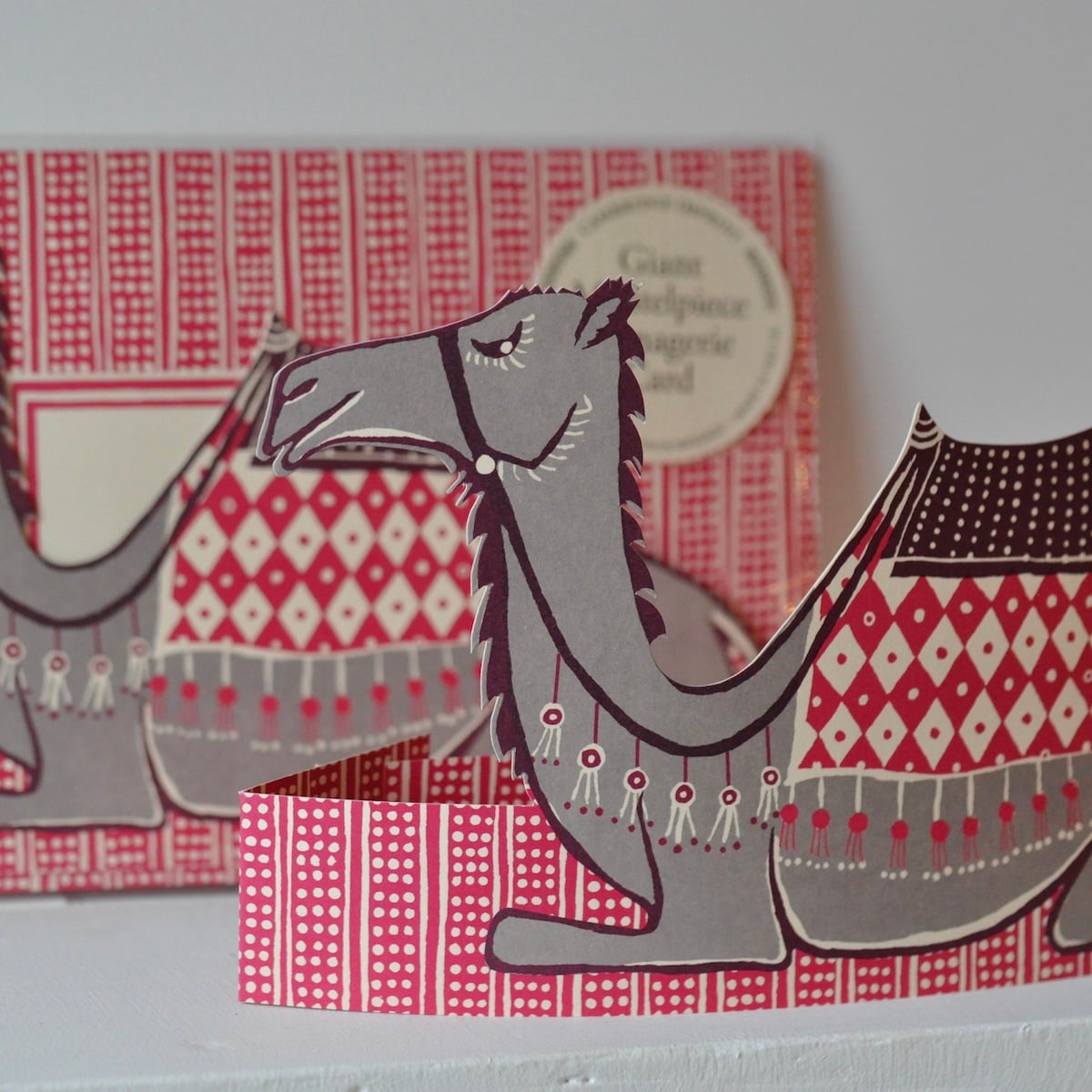
It’s been so very wet, and so very cold, and there’s a lot more wet to come apparently. The deluge of information about moral turpitude in high places also dampens morale. Our spirits are rising a little as the light increases, but some further fillip is required to offset the unremitting rain, literal and metaphorical. Happily, our slightly bonkers project of last autumn has now reached fruition, and the finished products are livening up the office no end. May we introduce the Mantelpiece Menagerie?
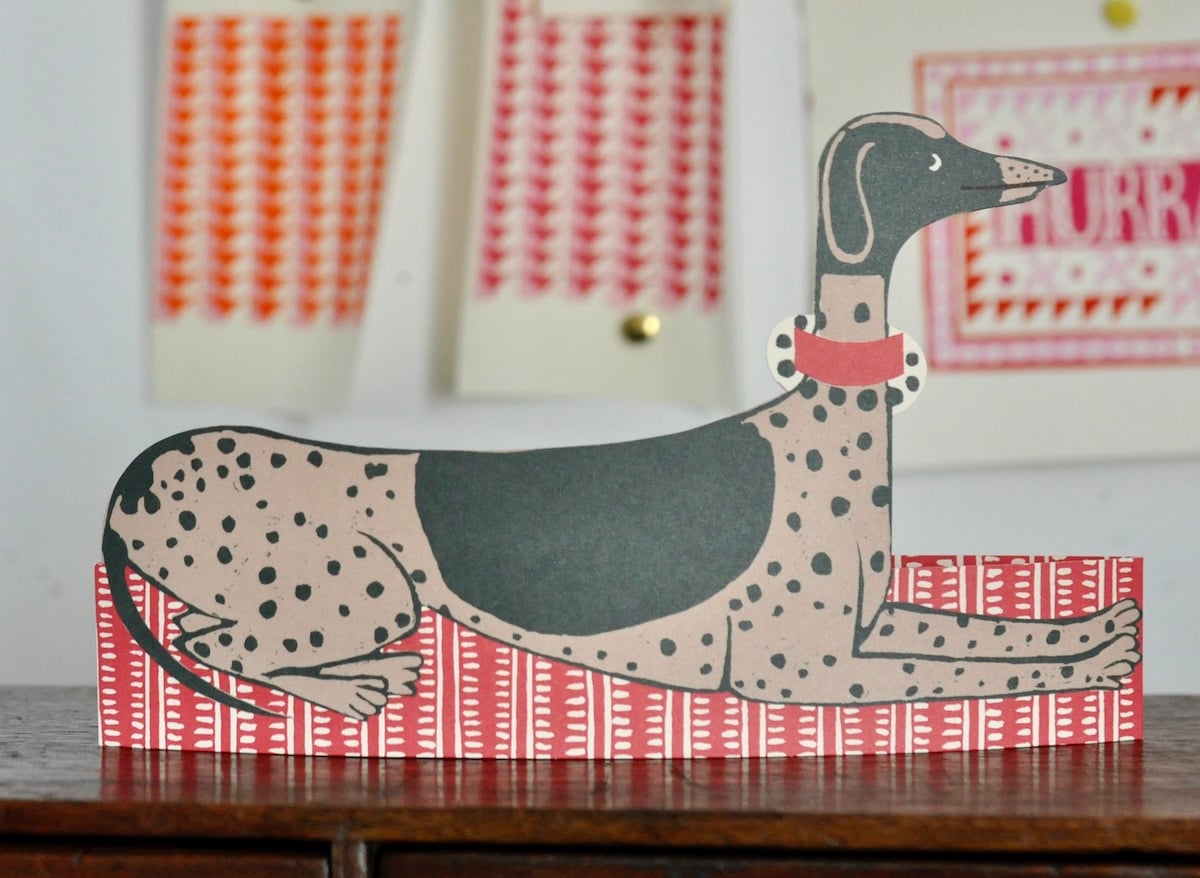
The initial inspiration was an excellent dog spotted in a Persian textile in a museum: a tiny little figure. Like creatures from the margins of an illuminated manuscript, it’s both recognisable and slightly off. It’s a dog and yet it’s not completely convincingly a dog. Perhaps there’s a bit of bird in there too. This could be because of a tradition of awkward, stylised draughtsmanship, or because the animal being drawn has never actually been seen by the artist, who is following instructions: “A dog, but very tall and skinny, with a long thin nose.”
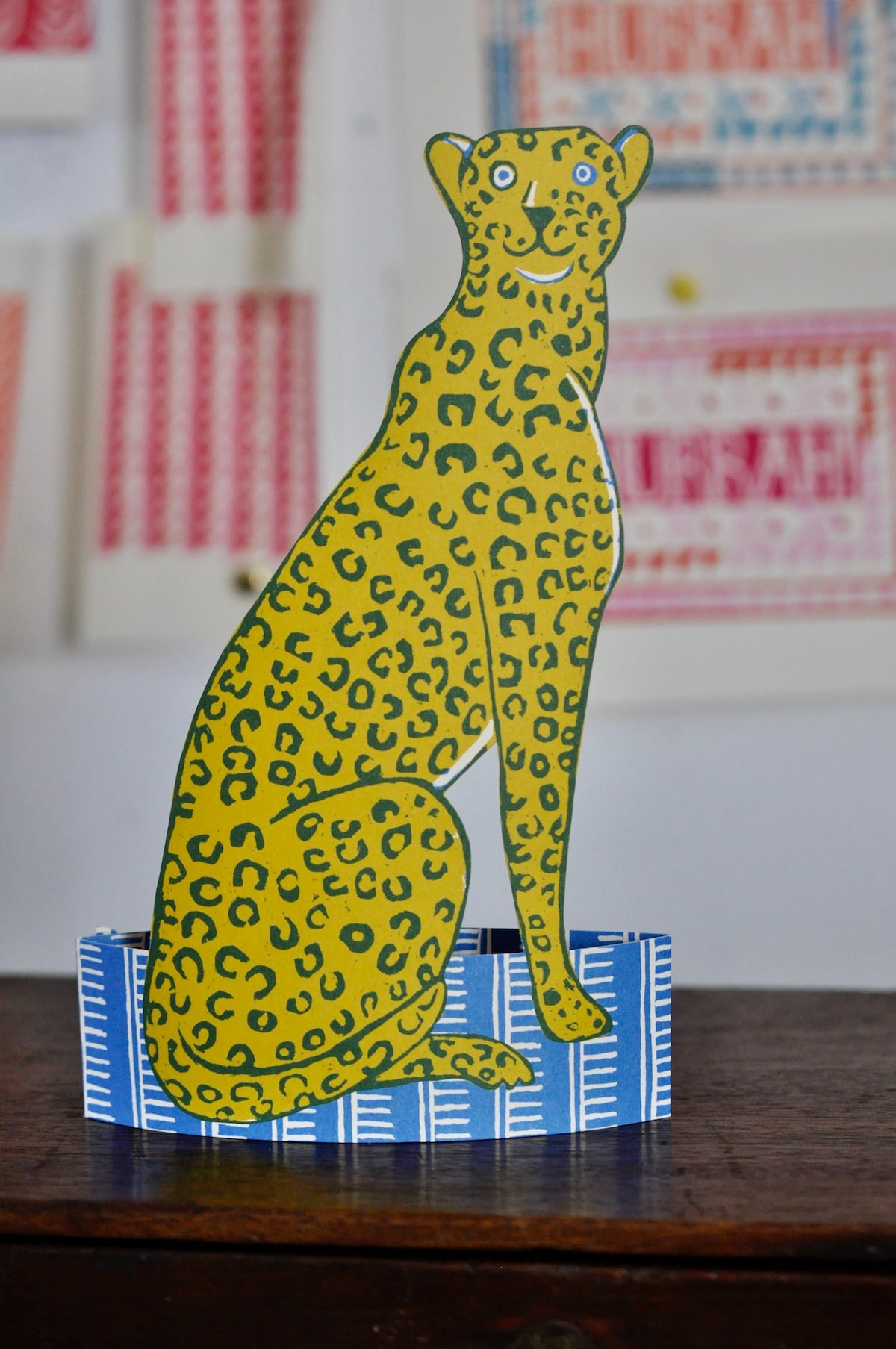
It reminded us of the descriptions in a bestiary, which often have the quality of having been assembled from parts of possibly unrelated creatures which have become confused in the minds of the author who is trying to make sense of many reports, and who has never seen the creature concerned. “There is an animal called a PANTHER which has a truly variegated colour, and it is most beautiful and excessively kind.” And also: “The PARD is a parti-coloured species, very swift and strongly inclined to bloodshed. It leaps to the kill with a bound. Leo-pards are born from the adultery of a lioness with a pard, which produces this third kind of animal.” The creature above is supposed to be a Cheetah, not a Leopard nor yet a Panther, but it is possible to believe it might be excessively kind.
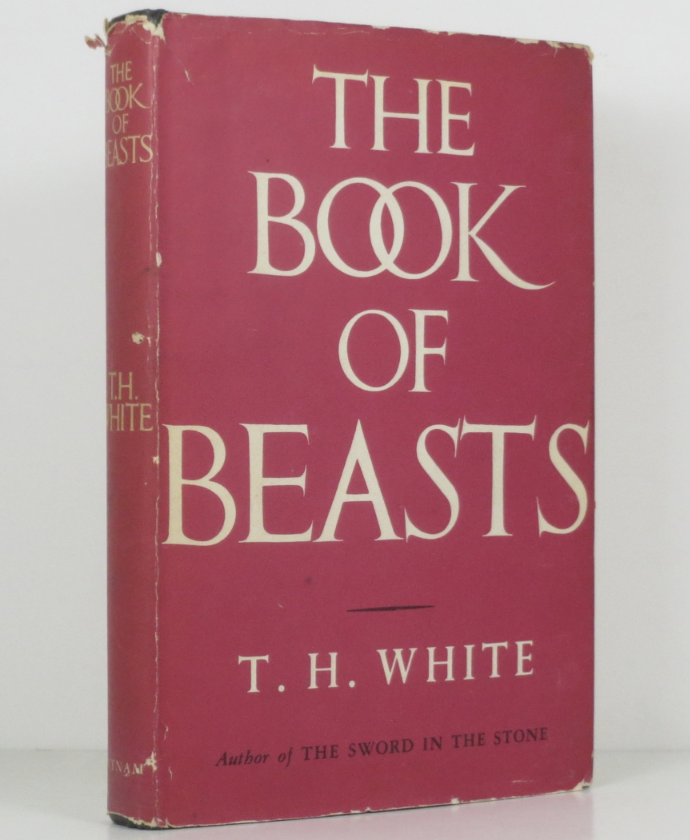
These excerpts are from The Book Of Beasts by T. H. White, and if you ever see a copy, buy it. It’s his translation of a medieval Latin bestiary, probably about 900 years old, the manuscript of which has resided in Cambridge University Library since 1655. The charm of the bestiary itself, which represented the very highest zoological authority at the time of its creation in (probably) the early twelfth century, in (perhaps) Lincolnshire, is augmented by White’s intensely affectionate, amused, learned, never condescending notes.
A bestiary was a serious work of natural history, a naturalist’s scrapbook, an accretion of the work of many hands from remote origins in myth and legend, via classical authorities like Herodotus, Aristotle and Pliny. There was a book called the Physiologus, which was written by an unknown author sometime between the second and fifth centuries AD, and was the ancestor of all other medieval bestiaries. When new animals were discovered or heard of or described, or new details about a known creature were found out, by whatever convoluted, indirect route, they were added to the newest copy, to keep the bestiary up to date. The bestiarist would be attempting to reconcile a haze of sometimes conflicting written evidence, when the nearest specimen might be a thousand miles away, or in the case of a dragon or a manticore, further away even than that. An assemblage of facts, like a camelopard (known to be big like a camel, but spotted like a leopard) is not the same thing as the truth (a giraffe). But as White says in his appendix “when we reflect how far it had come and through what perils, how lovingly it was treated and with what an innocent enthusiasm for learning, it seems impertinent in us to greet it with any other attitude than affection.”
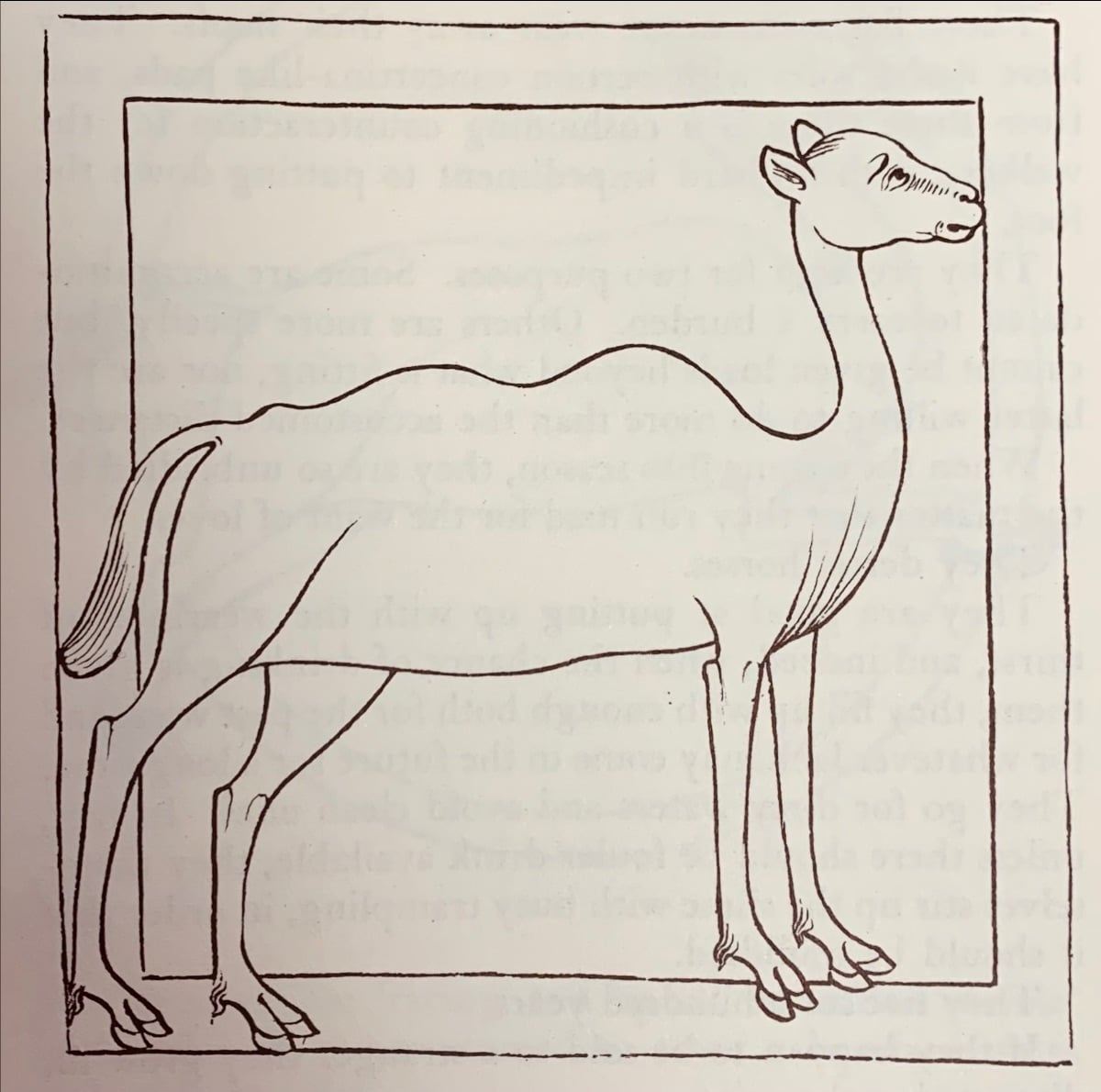
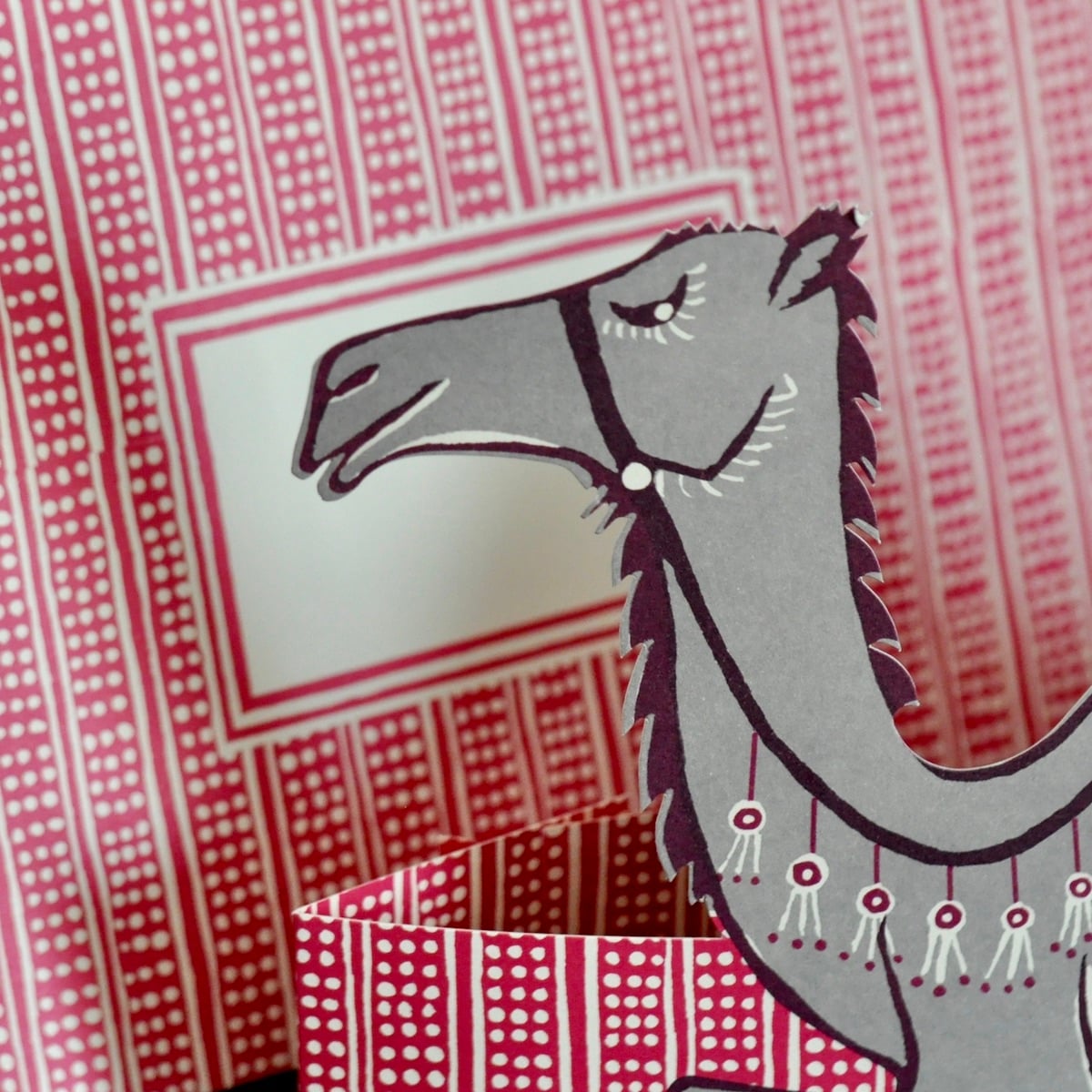
As well as The Dog and The Cheetah, our menagerie includes a Camel. What does T.H. White’s twelfth century authority have to say about camels? There is some very careful description of the soles of the camel’s feet and the two sorts, Arabian and Bactrian. (“Although other regions produce them, yet Arabia does so most.”) Their imperviousness to thirst is mentioned, and their usefulness to humans: “They are kept for two purposes. Some are accommodated to carry a burden. Others are more speedy, but cannot be given loads above what is fitting.” But their emotional life is not neglected: “When they come into season, they are so unbridled by the matter that they run mad for the want of love.” “They detest horses.” And: “If they happen to be sold to a stranger they grow ill, disgusted at the price.”
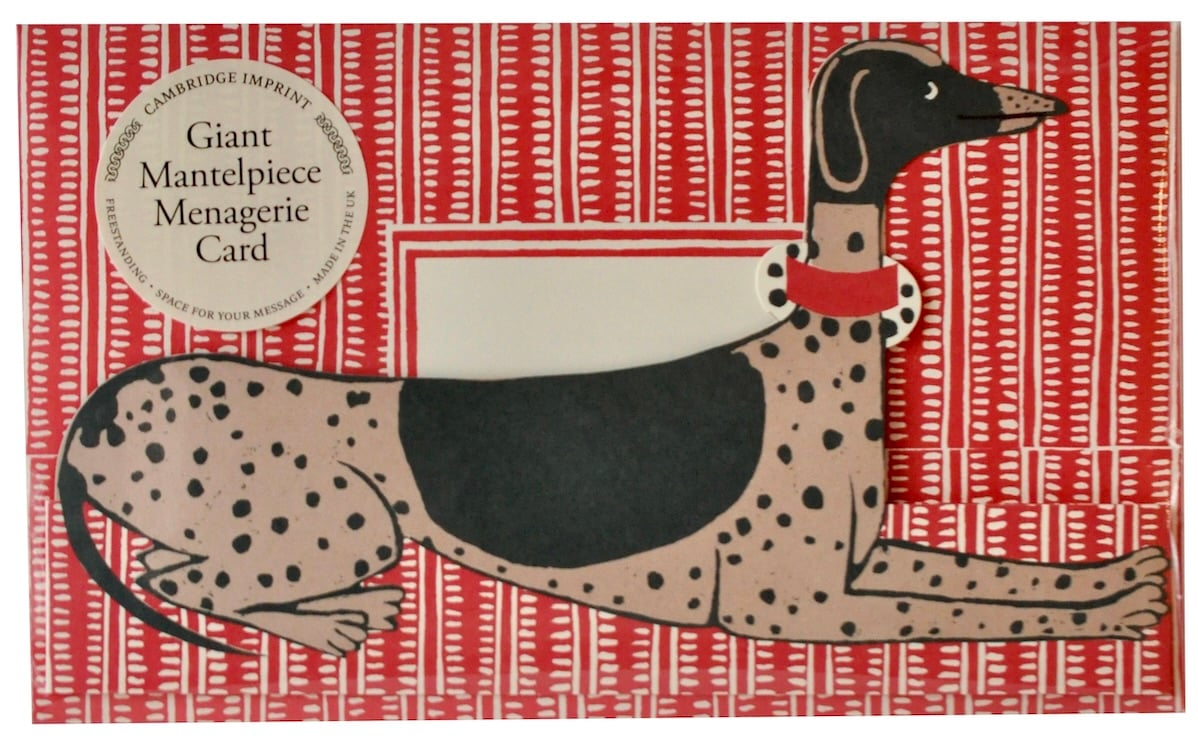
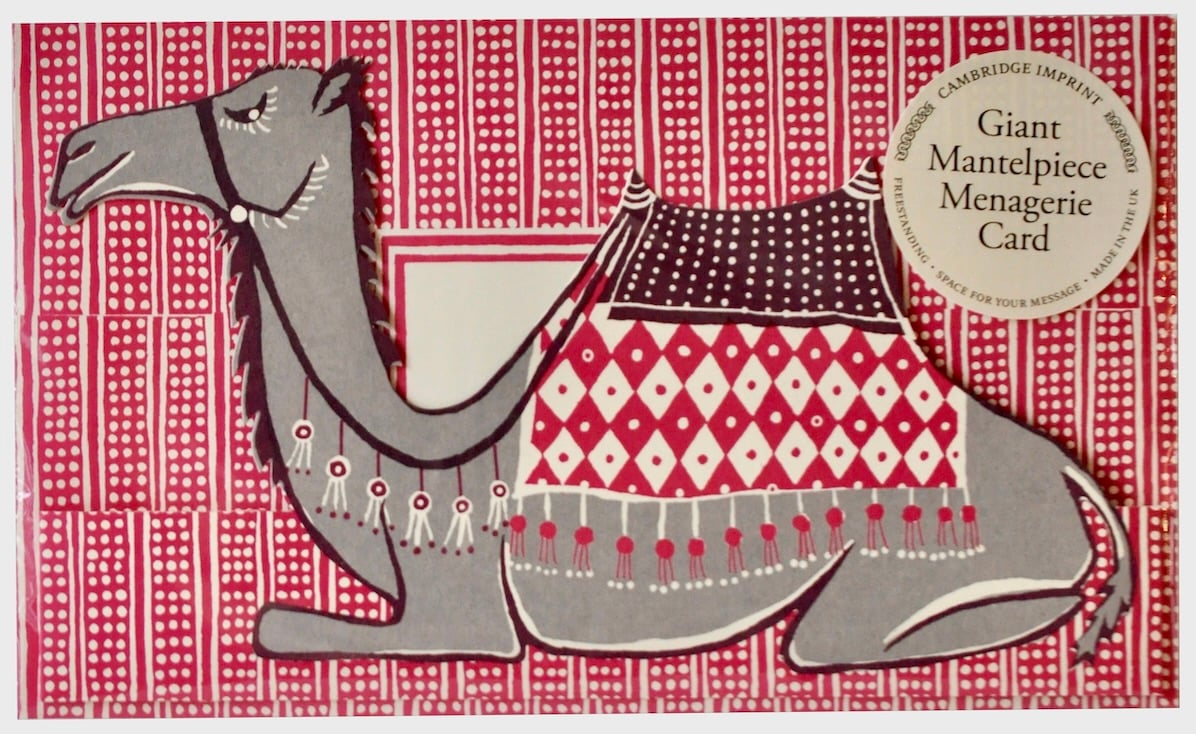
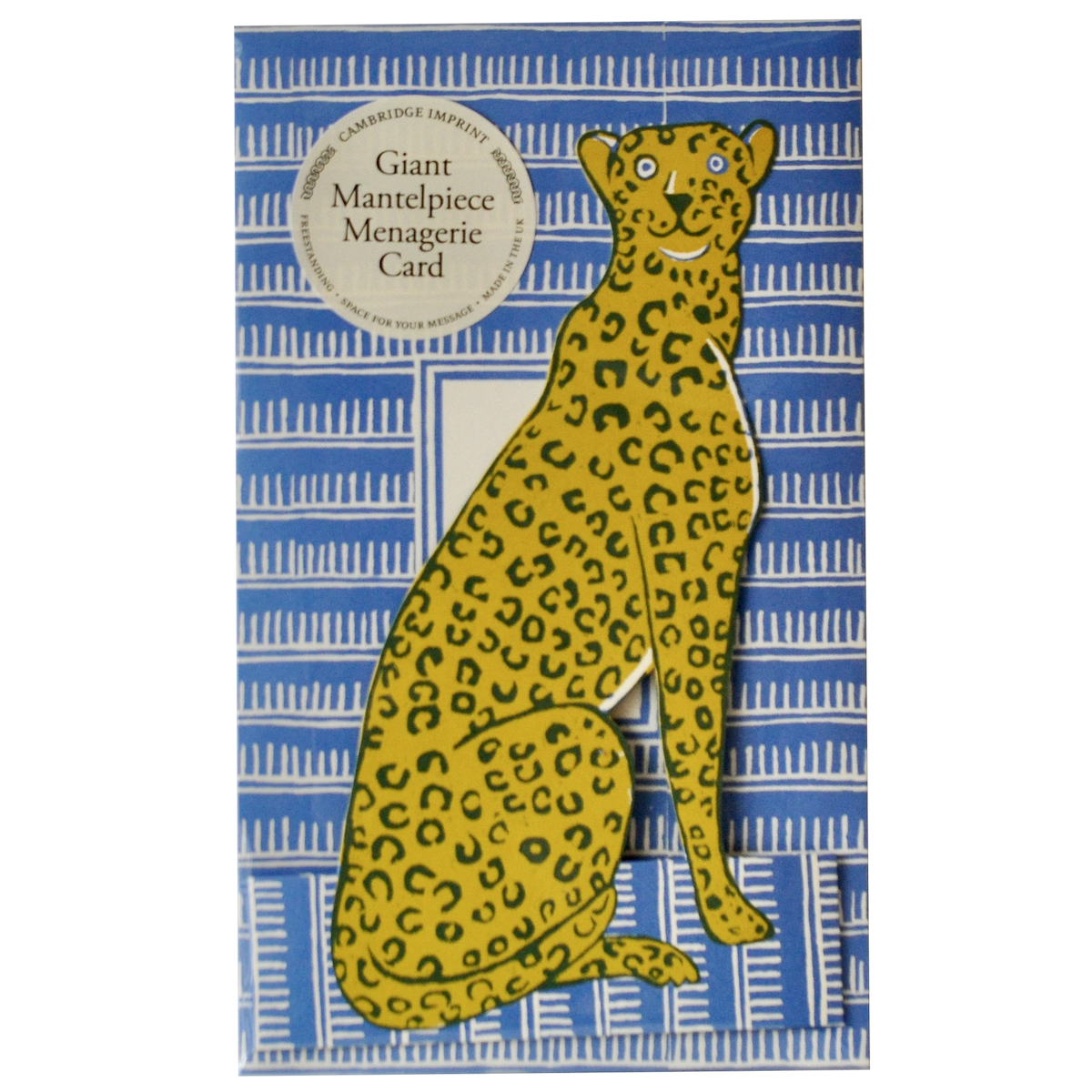
I’m being slowed down in the writing of this newsletter by opening the Book of Beasts at random and finding I’m still reading ten minutes later, utterly beguiled. (“Now what can we say about the bigness of fish teeth?” ; “Betaking himself to artfulness, therefore, the crab lays an ambush…”; “The dragon, lying in wait near the paths along which the elephants usually saunter, lassoes their legs in a knot with its tail and destroys them by suffocation”; etc. etc.) Enough of this rambling and on to business. Our Giant Mantelpiece Menagerie Cards are now available and are perfect to mark some particularly special occasion. Each creature sits on a bit of patterned carpet and comes in a glorious matching patterned envelope with an integral address label. Arrival of this in the post would surely be a very exciting moment. The cards are double-sided so they can point in either direction: if you were really smitten you could have a symmetrical pair facing each other like a pair of Staffordshire china dogs. There’s a dedicated panel on the back for the writing of your message. You can find them here on our website now, by clicking on any of the three images above.
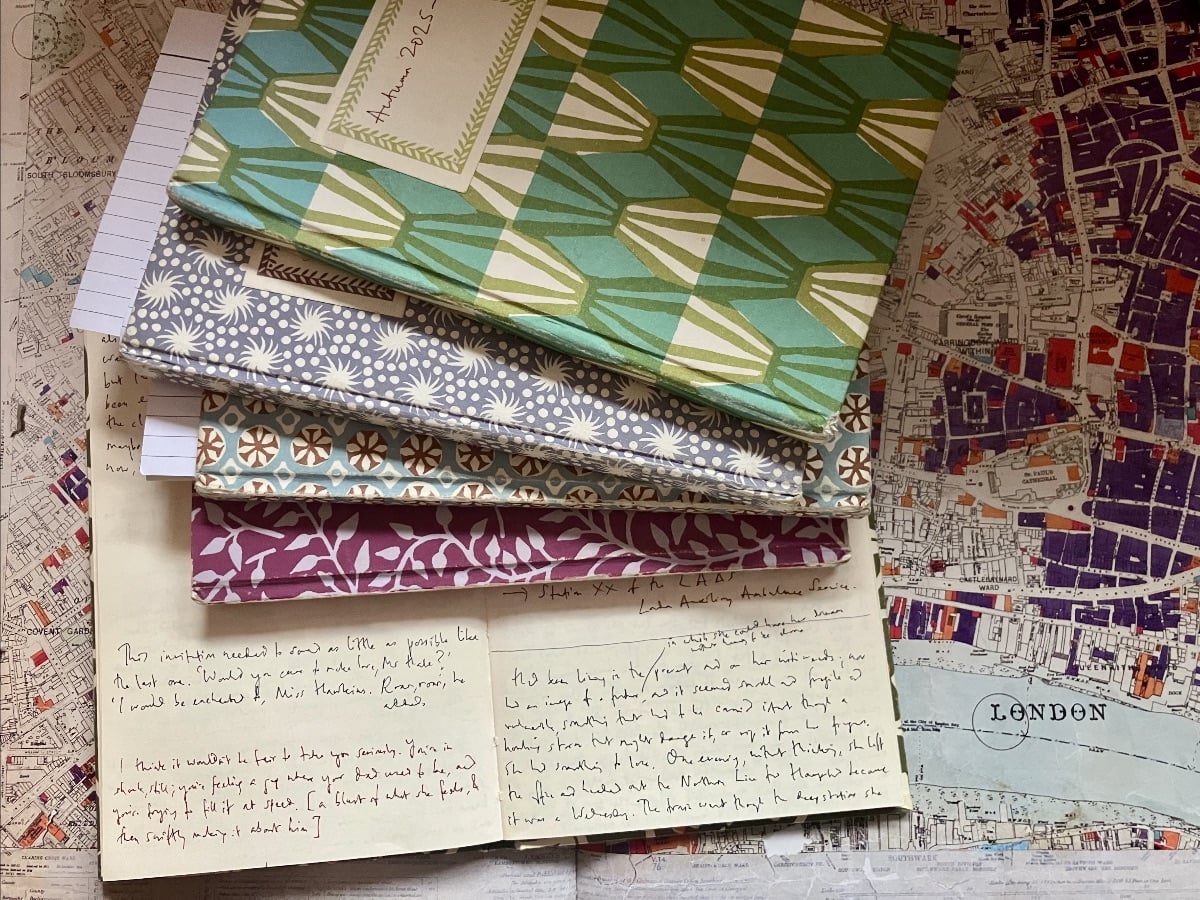
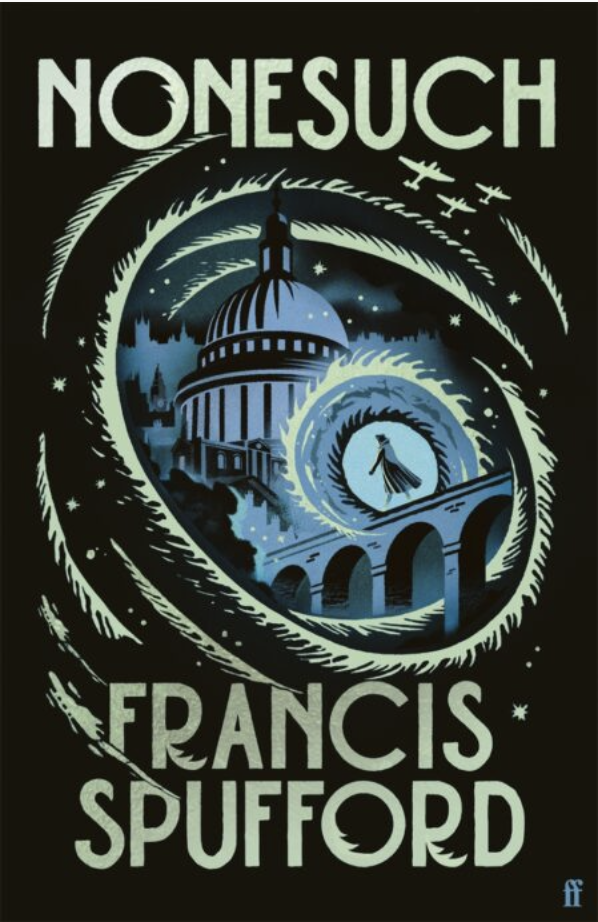
Finally, speaking of being utterly beguiled by reading, we would like to bask in reflected glory from the much-anticipated publication of Nonesuch by Francis Spufford this week. We were very fortunate to get our hands on a proof copy towards the end of last year. It’s a wildly exciting, utterly unputdownable, fantastical adventure which takes place in London during the Blitz and incorporates an ancient secret society, black magic, angels, fascists, parallel universes, love, ambition, a flawed but brave and resourceful heroine, a painfully earnest and naive hero, and a genuinely frightening villain : “a hurtling madcap thrilling plot” as Philip Hensher reviewed it last week, which kept him up until 3 am. We concur. The reflected glory comes in with the information that Spufford wrote the book (and is writing the sequel to come) in Cambridge Imprint Hardback Notebooks. Those appropriately battered, dinged-up, well-used notebooks can be seen above on the author’s desk, on top of London County Council’s bomb damage map of Holborn and the City. (Purple = complete destruction.) The book is out on Thursday 26 February and we highly recommend.